




The Evolving Face of Accommodation: From Shelter to Experience

Introduction: Defining the Essence of Accommodation
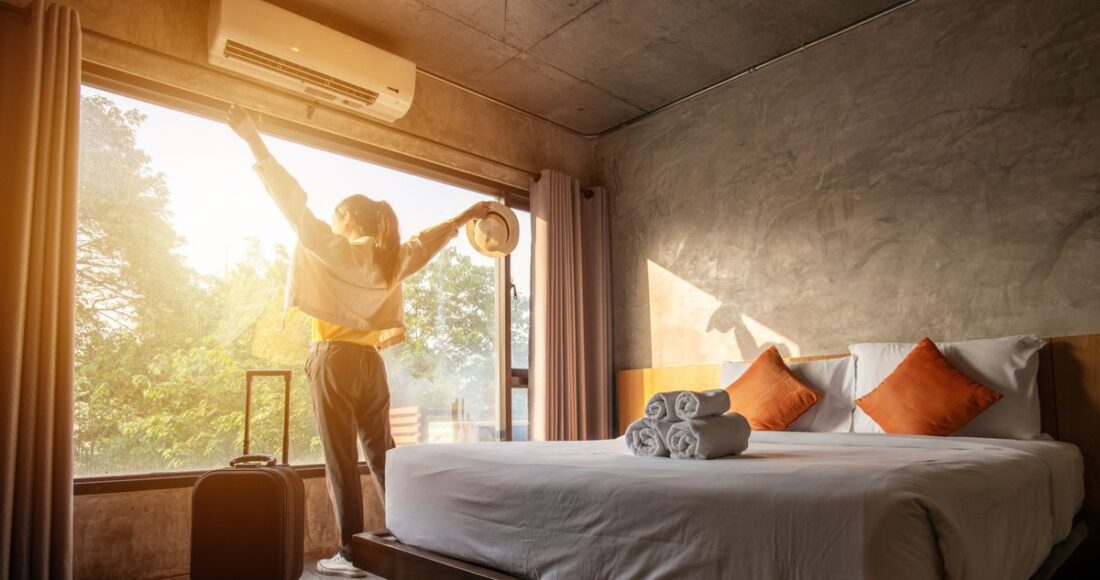
At its core, accommodation refers to the provision of a place to live, rest, or stay. Traditionally associated with mere shelter, its meaning has broadened remarkably over the years. In contemporary times, accommodation has evolved from being a necessity into a curated experience, where comfort, identity, and intention intertwine. Whether for leisure, work, relocation, or education, the right accommodation often becomes the unsung hero of a fulfilling journey.
The Historical Lens: From Inns to Immersive Lodging
Inns and lodges were once the mainstay for weary travelers, offering warmth, meals, and modest rest. In ancient times, especially along trade routes, accommodation functioned as an essential refuge. The Industrial Revolution introduced the concept of hotels as part of a burgeoning travel culture, catering to the growing class of explorers and businesspeople. Today, that legacy continues but with a twist—expectations have shifted from basic functionality to aesthetic, cultural, and emotional resonance.
Modern Accommodation Categories: A Spectrum of Possibilities
The range of accommodations available today reflects the diversity of travelers and their unique needs. Here are the most prominent types shaping today’s market:
-
Hotels and Resorts – From urban skyscrapers to beachside retreats, hotels remain a dominant force. They offer reliable service, a suite of amenities, and a standard of consistency that appeals to both business and leisure travelers. Luxury resorts further enhance this experience with spas, fine dining, and recreational facilities.
-
Serviced Apartments – Ideal for extended stays, these spaces combine the feel of a private apartment with hotel-like services. They are increasingly popular among business professionals and relocating families.
-
Vacation Rentals – Platforms like Airbnb and Vrbo have democratized hospitality. By enabling individuals to rent out their properties, they offer authentic, localized experiences that often come at a lower cost than hotels.
-
Hostels and Budget Inns – These options prioritize affordability without compromising on community. Perfect for students, backpackers, and solo adventurers, they often feature shared rooms and social spaces.
-
Boutique Accommodations – Stylish, thematic, and often independently owned, boutique hotels offer a more personalized experience, often reflecting local culture, art, and design.
-
Eco-Lodges and Sustainable Retreats – A growing trend, these establishments cater to environmentally conscious travelers. Located often in remote or natural areas, they emphasize sustainability, conservation, and minimal environmental impact.
Technology’s Role in Redefining Accommodation
The digital age has transformed the way we discover and interact with accommodation. The journey now often begins online, long before one steps foot into a room.
-
Online Booking Platforms – Sites such as Booking.com, Agoda, and Expedia provide filters, reviews, and competitive pricing, empowering travelers to make informed decisions.
-
Virtual Tours and High-Definition Galleries – These tools help potential guests visualize spaces with accuracy, setting realistic expectations and reducing surprises.
-
Smart Accommodation Features – Integration of smart thermostats, lighting, and entertainment systems creates a personalized, tech-savvy guest experience. Voice assistants and app-controlled services are becoming standard in premium offerings.
-
Mobile Check-in and Digital Keys – Enhancing convenience, these features allow guests to bypass reception desks entirely, streamlining the arrival and departure process.
Emotional and Psychological Dimensions of Accommodation
Accommodation is no longer just about comfort—it’s about how a space makes you feel. Travelers are increasingly choosing spaces that align with their emotional needs and personal aspirations.
-
For Business Travelers – Productivity is key. High-speed Wi-Fi, ergonomic workstations, meeting rooms, and proximity to business hubs are vital components.
-
For Leisure Travelers – Ambience, view, recreational options, and proximity to attractions take center stage.
-
For Families – Safety, space, kitchen facilities, and family-friendly services define the ideal choice.
-
For Solo Travelers and Digital Nomads – Community and connection matter. Co-living spaces and hostels that facilitate interaction are preferred.
-
For Wellness Seekers – Spaces that offer tranquility, nature, and health-focused amenities like yoga rooms or organic cuisine are in high demand.
Choosing the Right Accommodation: What Really Matters
Every traveler’s checklist may look different, but certain universal factors help determine the best choice for accommodation.
-
Location – Accessibility to transport, safety of the area, and proximity to points of interest are crucial.
-
Budget – Price must align with value. Often, a modestly priced stay with heartfelt service can outshine a costly but sterile one.
-
Cleanliness and Hygiene – Especially in the post-pandemic era, this factor has grown paramount. Transparent sanitation policies and visible cleanliness boost confidence.
-
Guest Reviews – Nothing compares to peer experiences. Ratings, narratives, and verified photographs help validate or warn against a property.
-
Unique Touches – Sometimes, it’s the little details—welcome notes, local snacks, thoughtfully curated interiors—that leave lasting impressions.
Sustainability and Ethical Considerations in Accommodation
Today’s travelers are more ethically aware than ever before. The rise in sustainable and responsible travel has led to accommodations being evaluated not just on luxury or price, but on their principles.
-
Eco-Friendly Infrastructure – Solar panels, energy-efficient appliances, and rainwater harvesting systems are gaining favor.
-
Local Employment and Community Engagement – Accommodations that invest in local communities, employ local staff, and promote indigenous crafts add meaning to the stay.
-
Animal Welfare and Conservation – Properties that avoid exploitative activities and support wildlife preservation earn the trust of mindful travelers.
Conclusion: Accommodation as a Reflection of Identity and Intention
Accommodation is no longer a silent backdrop to a trip—it has emerged as a defining feature of the travel experience itself. It’s where memories are anchored, where rest is found, and where comfort becomes a language of welcome. In a world increasingly shaped by individual choice and meaningful experiences, where and how one stays speaks volumes about who they are and what they value. Whether nestled in a mountain lodge, perched high in a city hotel, or tucked into a homely rental, accommodation today is about belonging—and that, more than anything else, is the heart of the journey.