




Introduction: The Age of Airborne Possibilities
Air travel, once a luxury for the elite, has evolved into an essential part of modern life. With hundreds of thousands of flights traversing the globe daily, the concept of flying has shifted from extraordinary to routine. Yet behind each booked seat lies a complex world of logistics, technology, pricing strategies, and human aspiration. The realm of flights and ticketing, while seemingly transactional, is deeply intertwined with global connectivity, personal freedom, and the dream of reaching new horizons. Understanding this dynamic world not only helps travelers make smarter choices but also elevates the experience from mere transit to a meaningful journey.
The Anatomy of a Flight Ticket
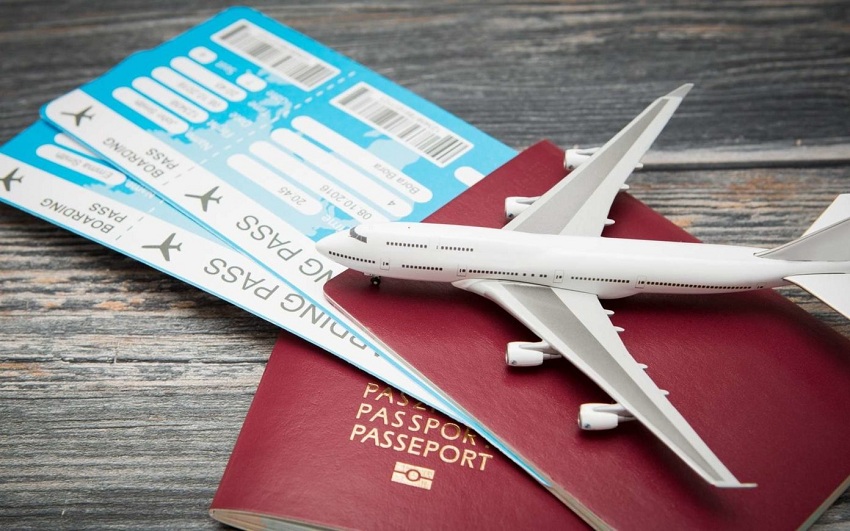
A flight ticket is far more than a receipt for a seat in the sky. It’s a contract between the passenger and the airline, governed by international agreements, fare rules, and technological infrastructure.
-
Passenger Details – The ticket includes the traveler’s full name as per government ID, ensuring accurate identification and compliance with security standards.
-
Flight Information – This encompasses the airline code, flight number, departure and arrival airports, scheduled times, and layover details, all essential for a smooth journey.
-
Class of Service – Tickets are issued in various classes—economy, premium economy, business, and first class—each offering different levels of comfort, service, and flexibility.
-
Fare Rules and Conditions – These govern changes, cancellations, baggage allowance, and refund policies. Some tickets are non-refundable, while others offer partial reimbursements or credits.
-
Ticket Number and Booking Reference – Every ticket comes with a unique identification number, along with a six-digit alphanumeric code known as a PNR (Passenger Name Record), used to manage bookings.
Types of Airline Tickets: One Size Doesn’t Fit All
Different types of tickets cater to different needs. Understanding these distinctions allows travelers to make informed choices.
-
One-Way Ticket – Ideal for travelers with flexible plans or relocating permanently, this ticket covers a single journey from one point to another.
-
Round-Trip Ticket – Often more economical, it includes both outbound and return flights between the same cities.
-
Multi-City Ticket – Popular among globetrotters, these tickets allow travel to multiple destinations within a single booking.
-
Open-Ended Ticket – These allow the return date to be decided later, offering flexibility, although they are generally more expensive and less common.
-
Award Ticket – Purchased using frequent flyer miles or loyalty points, these tickets offer great value for seasoned travelers but may come with blackout dates or limited availability.
The Pricing Puzzle: What Really Determines Ticket Cost?
Airfare pricing is a dynamic and often puzzling system influenced by algorithms, market demand, and strategic forecasting. The same seat can vary in price drastically depending on when, how, and where it’s booked.
-
Demand and Supply – Prices rise as seats fill. Flights during holidays or peak travel seasons tend to cost more due to increased demand.
-
Booking Window – Booking too early or too late can be costly. Typically, the best time to book domestic flights is one to three months in advance, and for international flights, two to six months is optimal.
-
Day and Time of Travel – Mid-week flights (especially Tuesdays and Wednesdays) are often cheaper than weekend travel. Red-eye and early morning departures also tend to be more economical.
-
Class of Service – Upgrading to business or first class offers added luxury and flexibility but comes at a premium.
-
Airline and Route Competition – More competition on a route often means lower prices. Budget airlines drive costs down, though they may charge for extras like checked bags and seat selection.
Booking Smarter: Tips for Finding the Best Flights and Tickets
Savvy travelers know that smart booking practices can result in significant savings and smoother journeys. Here’s how to make the most of your flight search.
-
Use Flight Comparison Tools – Websites like Skyscanner, Google Flights, and Kayak allow users to compare prices across multiple airlines and booking platforms.
-
Set Fare Alerts – Monitor fluctuating prices by setting fare alerts that notify you when a ticket drops in price.
-
Be Flexible – Flexibility with dates, destinations, and even departure airports can unveil better deals.
-
Consider Stopovers – Direct flights are convenient but usually more expensive. Adding a stopover can reduce the fare and even allow for a short visit in another city.
-
Book on the Right Day – Some studies suggest that booking flights on Tuesdays or Wednesdays yields better deals than weekends.
The Rise of E-Tickets and Mobile Boarding
Gone are the days of paper tickets and long queues at the counter. Digital transformation has revolutionized the ticketing process, making it more convenient and secure.
-
E-Tickets – Now the global standard, e-tickets are stored digitally and accessible via email or mobile apps, eliminating the need for physical copies.
-
Online Check-In – Most airlines allow check-in 24 to 48 hours before departure, saving time at the airport and enabling early seat selection.
-
Mobile Boarding Passes – Passengers can now pass through security and board flights using digital passes saved on smartphones or wearable devices.
Understanding Airline Alliances and Loyalty Programs
Frequent flyers benefit from understanding the partnerships and perks that come with loyalty.
-
Major Alliances – Star Alliance, Oneworld, and SkyTeam are global airline networks that allow code-sharing and seamless transfers between partner airlines.
-
Loyalty Programs – Travelers earn miles or points with every flight, which can be redeemed for free tickets, upgrades, or other travel-related perks.
-
Status Benefits – High-tier members enjoy priority boarding, access to lounges, increased baggage allowances, and more personalized service.
Flight Disruptions: Knowing Your Rights
Cancelled flights, delays, and overbookings can derail travel plans. But knowing your rights empowers you to respond appropriately.
-
EU Regulations (EC 261/2004) – Passengers departing from the EU or flying with EU airlines may be entitled to compensation for long delays or cancellations.
-
U.S. Department of Transportation Rules – In the U.S., airlines must provide refunds for cancelled flights, even for non-refundable tickets.
-
Airline Policies – Always read the fine print. Some airlines offer rebooking or compensation at their discretion for delays caused by weather or mechanical issues.
Conclusion: Tickets to the World—And to Ourselves
Flights and tickets are more than logistical arrangements—they are gateways to experiences, dreams, and transformations. Whether traveling for business, leisure, family, or personal growth, each ticket carries with it a story waiting to unfold. By understanding the nuances of air travel—from pricing strategies and ticket types to booking practices and passenger rights—travelers can navigate the skies with confidence, elegance, and a renewed appreciation for the art of the journey. In the end, every flight isn’t just a passage through the clouds, but a chapter in the grand narrative of life itself.
Jack Zoe