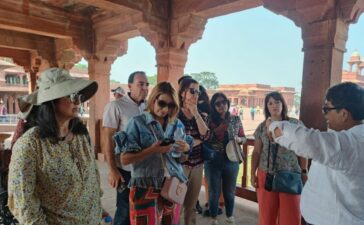






Introduction: The Soul of the Modern Traveler
Tourism today is more than an industry; it is a form of human expression—a quest for wonder, understanding, and connection. From sun-drenched beaches in the Aegean to lantern-lit alleys in Kyoto, tourism invites us to step beyond the familiar and engage with the unknown. But meaningful travel doesn’t happen by chance. It requires more than packing bags and booking flights. It calls for curiosity, respect, and preparation. A true tourism guide does not just point the way—it reveals how to travel well.
In this age of rapid globalization and digital convenience, the seasoned tourist no longer seeks just sights but insight. What follows is not merely a checklist of tips, but a refined and reflective guide to making tourism an enriching, memorable, and responsible pursuit.
Understanding the Purpose of Travel
Before delving into the logistics, it’s vital to understand why we travel. Too often, tourism becomes reactive: a response to boredom, stress, or peer influence. The most rewarding journeys, however, begin with intent. Are you seeking knowledge, rest, inspiration, or transformation? Your purpose will shape your experience more deeply than your itinerary.
Ask yourself:
-
What am I hoping to learn or feel on this trip?
-
Do I want to connect with culture, nature, or myself?
-
Is this a journey of celebration, healing, or exploration?
Clarifying your motivation refines your travel lens and ensures every destination serves a personal purpose.
Choosing the Right Destination
Not every beautiful place is the right place. Choosing a destination requires balancing fantasy with practicality. Consider your time frame, budget, physical ability, and cultural sensitivity. A tourism guide worth following always recommends aligning your choice with your values and current life season.
Key factors to consider:
-
Climate and seasonality: Avoid peak seasons if you prefer quiet and affordability
-
Cultural alignment: Some destinations may challenge your norms—be willing to adapt
-
Language and accessibility: Know your limits, and plan accordingly
-
Safety and political stability: Stay informed through reliable, up-to-date sources
Instead of following trends, trust your intuition. The right place often speaks to you in subtle ways—through a photo, a conversation, or even a long-forgotten dream.
Preparing with Intention
Exceptional tourism begins before departure. How you prepare shapes how you experience. Good preparation goes beyond logistics—it includes mental readiness and cultural education.
Essential pre-travel steps:
-
Research with depth: Go beyond the basics. Learn about local customs, history, and taboos
-
Learn a few key phrases: Even basic greetings in the local language show respect and foster goodwill
-
Secure travel documents: Keep digital and physical copies of passports, visas, and insurance
-
Pack thoughtfully: Prioritize versatile clothing, eco-friendly products, and essentials like a universal adapter, reusable water bottle, and a journal
Preparation is not about control—it’s about honoring the experience before it begins.
Immersive Exploration: Traveling with Awareness
Tourism becomes transformative when approached with presence and humility. The best travelers are not those who check off the most sights, but those who truly see. Instead of rushing from landmark to landmark, allow yourself the luxury of slowness.
While exploring:
-
Engage with locals: Conversations reveal the heart of a place
-
Eat authentically: Choose small, local restaurants over international chains
-
Walk when possible: Walking offers sensory richness and unexpected encounters
-
Support artisans and local businesses: Choose souvenirs and services that sustain the community
Remember, you are a guest. Walk gently. Ask questions. Listen more than you speak.
Responsible Tourism: Traveling with Integrity
With the growth of global tourism comes a responsibility to travel ethically. Over-tourism, environmental degradation, and cultural erosion are very real consequences of unchecked travel habits. A refined tourism guide includes ethical considerations as a cornerstone.
Practices for responsible tourism:
-
Respect sacred spaces: Dress appropriately and follow local customs in religious or cultural sites
-
Minimize waste: Say no to single-use plastics, and carry reusable items
-
Avoid exploitative attractions: Steer clear of animal rides, unregulated orphanage visits, and human exploitation masked as entertainment
-
Be mindful of photography: Always ask before photographing people, and don’t treat cultural life as a spectacle
When you leave a destination better than you found it—even in small ways—you’ve truly traveled well.
Navigating Challenges with Grace
No tourism guide would be complete without acknowledging that things don’t always go as planned. Flights are delayed, bookings are missed, and cultural misunderstandings occur. The mature traveler accepts this with calm and flexibility.
To manage challenges:
-
Keep extra time between connections
-
Embrace spontaneity: Some of the best memories are unplanned
-
Learn from discomfort: Each challenge builds resilience and perspective
-
Stay open-minded: Let go of rigid expectations, and allow space for the unexpected
Grace under pressure turns inconvenience into growth. It also reveals the true spirit of the traveler.
Returning Home: Integration and Reflection
The journey doesn’t end upon return. A thoughtful traveler reflects on the experience, allowing the lessons to settle and the memories to deepen. Travel, after all, is not only outward—it’s profoundly inward.
Ways to integrate your travel experience:
-
Journal your reflections: Write about what surprised, moved, or changed you
-
Print and display photographs: Let them serve as visual reminders of your experience
-
Share stories mindfully: Inspire others without boasting or diminishing cultural nuance
-
Continue supporting global causes: If you encountered communities in need, consider giving back
Let your travel refine you—not just as a tourist, but as a human being.
Conclusion: Becoming a Conscientious Traveler
The essence of great tourism lies not in how many countries you visit, but in how deeply you engage with each one. A tourism guide worth following doesn’t hand you an itinerary—it offers you a compass. That compass points not just outward, but inward.
Travel is one of life’s greatest privileges. It teaches us empathy, expands our worldview, and reminds us that we are part of something vast, beautiful, and interconnected. As you step into the world, may you do so with curiosity, care, and grace—leaving footprints not of disruption, but of respect.
Jack Zoe