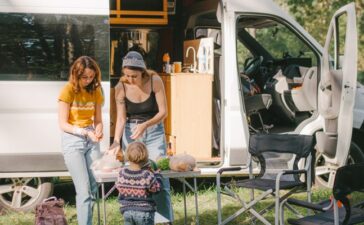





The Best Holiday Ideas for Travelers Who Prefer Experiences Over Luxury

Modern travel is undergoing a profound cultural transformation. For decades, the gold standard of a successful vacation was defined by five-star resort stays, private infinity pools, white-glove room service, and exclusive VIP lounges. While luxury accommodations offer physical comfort, a growing community of global travelers is realizing that high-end amenities often build a gilded barrier between the visitor and the destination. High-end resorts can look and feel identical whether they are located in the Caribbean, Southeast Asia, or the Mediterranean, insulating guests from the very culture they traveled thousands of miles to see.
A new generation of explorers prioritizes experiential travel over passive pampering. These travelers seek personal growth, cultural exchange, outdoor challenge, and authentic connection. They measure the success of a trip not by the thread count of their bedsheets or the price of their dinner, but by the depth of their memories, the stories they return home with, and the skills they acquire along the way. Trading luxury for immersion unlocks a far richer world of holiday possibilities.
Active Wilderness Expeditions and Trekking
For those who find peace in movement and natural landscapes, active wilderness expeditions offer an unparalleled sense of accomplishment. Choosing to trek across scenic terrain forces you to slow down, notice the subtle details of nature, and engage your physical body in a way that resort vacations never allow.
Multi-Day Backcountry Hiking
Engaging in multi-day backpacking trips through national parks or protected wilderness reserves strips away modern distractions. Carrying your shelter, food, and gear on your back creates a grounding sense of self-reliance. Camping under open skies, cooking over small trail stoves, and watching sunrise over mountain passes creates a spiritual connection to the land that money cannot buy. Outstanding regions for immersive trekking include:
-
The Appalachian Trail or Pacific Crest Trail network in North America, offering vast stretches of wilderness.
-
The extensive public footpath network of the Scottish Highlands, featuring wild camping options beside remote lochs.
-
The rugged trail systems of Patagonia, where dramatic granite peaks and glaciers frame every day of walking.
Hut-to-Hut Alpine Traverses
If carrying full camping gear feels too restrictive, hut-to-hut alpine trekking offers a ideal balance between physical challenge and rustic comfort. Regions like the European Alps, the Pyrenees, or the Southern Alps of New Zealand feature networks of mountain huts spaced a day’s hike apart. Travelers spend their days walking across high-altitude passes with lighter packs, arriving each evening at simple communal mountain shelters. Here, hikers share hearty local meals, exchange trail stories with international adventurers, and sleep in simple dormitories before setting out again at dawn.
Immersive Cultural Homestays and Community Tourism
One of the greatest limitations of luxury hotels is their isolation from local neighborhood life. Community-based tourism and homestays flip this paradigm by placing travelers directly inside authentic households and traditional villages.
Agricultural and Farm Stays
Living on a working farm or agricultural homestead provides immediate insight into rural traditions, seasonal rhythms, and regional food systems. Guests actively participate in daily tasks, such as harvesting organic crops, tending to livestock, picking grapes during vineyard harvests, or learning the delicate art of artisan cheese production. These stays foster deep appreciation for the effort behind farm-to-table dining and provide direct financial support to rural farming families.
Indigenous Community Tourism
Participating in guided community tourism initiatives led by indigenous hosts offers profound educational value. Rather than observing traditions from a distance through staged cultural shows, travelers live alongside hosts, learning about oral histories, traditional medicine, ecological knowledge, and land stewardship. Whether staying in traditional wooden stilt houses in Southeast Asia or living alongside pastoral communities in East Africa, these experiences foster mutual respect and cross-cultural understanding.
Skill-Based Travel and Learning Retreats
Transformative holidays often revolve around acquiring a new skill or deepening a personal craft. Skill-based travel grounds your vacation around a clear purpose, surrounding you with passionate instructors and like-minded peers.
Immersive Culinary and Craft Apprenticeships
Instead of merely dining at high-end restaurants, skill-focused travelers learn to cook the native cuisine themselves. Enrolling in multi-day culinary workshops or craft apprenticeships allows you to master traditional techniques directly from local artisans:
-
Joining multi-day bread-making, pasta-shaping, or pastry workshops in small European villages.
-
Learning traditional textile dyeing, pottery making, or wood carving techniques in historic craft centers across Latin America or Asia.
-
Attending intensive language immersion schools where classroom learning is paired with daily living in non-English speaking communities.
Ocean and Wilderness Survival Skills Courses
For those drawn to self-sufficiency, spending a holiday attending a wilderness survival school or an intensive scuba diving certification course builds lifelong confidence. Learning navigation, shelter building, wilderness first aid, or ocean ecology engages your mind continuously, turning a standard break from work into an empowering educational milestone.
Slow Travel and Historic Transport Journeys
Modern air travel prioritizes speed, treating transit as an uncomfortable chore to be completed as quickly as possible. Experiential travelers often flip this dynamic, turning the journey itself into the highlight of the holiday through slow transportation methods.
Long-Distance Commuter Rail Expeditions
Bypassing domestic flights in favor of historic or commuter rail networks offers a front-row seat to changing landscapes and everyday local life. Opting for non-tourist long-distance trains allows you to interact with local commuters, read books, watch rural scenery unfold through large windows, and experience the romantic rhythm of overland travel. Iconic long-distance rail routes exist across North America, Europe, and Asia, offering affordable access to deep geographical corridors.
Bicycle Touring and Bikepacking
Exploring a region on two wheels offers an ideal pace for cultural observation. Bicycle touring sits at the perfect intersection between speed and intimacy; you move fast enough to cover significant daily distances, but slowly enough to smell flowers, hear conversations, and stop spontaneously at roadside fruit stands or village bakeries. Packing your gear into bicycle panniers and following quiet backroads allows you to discover hidden pockets of countries that standard tour buses completely bypass.
Conservation Volunteering and Citizen Science
Travelers seeking deep purpose often dedicate their holiday time to hands-on environmental conservation and scientific research projects. Citizen science initiatives pair travelers with researchers, wildlife biologists, and environmental non-profit organizations working on the frontlines of ecological protection.
Wildlife Monitoring and Habitat Restoration
Participating in legitimate, non-profit conservation programs allows travelers to contribute directly to ecological data collection. Instead of viewing animals through a camera lens on an expensive commercial safari, volunteer researchers help track animal movements, restore degraded coastal habitats, plant native tree species, or record coral reef health data.
Marine and Coastal Protection Projects
Coastal conservation holidays involve activities like monitoring sea turtle nesting sites overnight, participating in marine debris collection along remote shorelines, or helping marine biologists catalog whale populations. These hands-on efforts demand physical work, but they deliver an unmatched sense of contribution and environmental awareness.
Essential Principles for Planning Experience-First Holidays
-
Prioritize Locality Over Star Ratings: Choose small, family-owned guesthouses, historic pensions, or local homestays instead of international hotel chains.
-
Travel Off-Peak: Schedule trips during shoulder or low seasons when destinations are uncrowded, allowing for more spontaneous and authentic interactions with residents.
-
Embrace Public Transportation: Utilize local buses, public ferries, and regional commuter trains rather than private tourist vans or rental cars.
-
Pack Light and Mobile: Restrict your luggage to a single manageable backpack, enabling quick transitions between different transit modes and rougher terrain.
-
Leave Room for Spontaneity: Avoid over-scheduling every hour of your itinerary; keep blocks of time completely open for unexpected invitations and local recommendations.
Frequently Asked Questions
How can travelers identify legitimate community-based tourism programs that truly benefit local residents?
Look for organizations that explicitly detail how revenue is distributed, ensuring that the majority of trip costs remain directly within the host community. True community-based initiatives are designed, managed, and owned by local residents rather than external corporate agencies. Reputable non-profits and ethical travel networks will provide clear transparent information regarding local wages, environmental impact policies, and community development funds funded by your visit.
Is experiential travel suitable for families traveling with young children?
Experiential travel can be deeply rewarding for children, fostering adaptability, empathy, and curiosity early in life. Simple farmstays, nature walks, cultural cooking classes, and gentle bicycle trips are highly engaging for younger ages. The key is adjusting the physical intensity to match your children’s capabilities while choosing destinations with safe infrastructure and accessible medical care.
How do I maintain personal safety when staying in remote homestays or off-the-beaten-path locations?
Safety in experiential travel relies on proactive research and clear communication. Always utilize verified community tourism networks, reputable homestay organizations, or local host recommendations. Keep family members informed of your general itinerary, maintain offline copies of regional maps, carry basic first-aid supplies, and purchase comprehensive travel insurance that covers emergency medical evacuation for remote activities.
What strategies help overcome language barriers during deep cultural immersions?
Language barriers are best approached with patience, humility, and good humor. Learning basic polite phrases in the local dialect shows immediate respect. Translation smartphone applications operating offline, visual phrasebooks with pictures, and clear physical gestures work wonders for daily communication. Remember that warmth, eye contact, and genuine smiles transcend verbal language in almost every culture.
How can I balance physical exertion with actual rest during an active, experience-focused holiday?
Structuring your trip with alternating intensity levels is key to preventing burnout. Pair two or three days of challenging physical activity, such as mountain trekking or intensive cycling, with a slow day spent relaxing in a quiet village, reading at a local cafe, or enjoying local thermal baths. Physical exertion often yields a deeper mental reset than passive lounging, but built-in rest days keep your energy stable.
How do experience-focused vacations compare financially to traditional luxury trips?
Experiential travel is generally significantly more affordable than high-end luxury vacations, as funds are directed toward activities, local guides, and authentic meals rather than expensive hotel overhead and resort fees. However, some specialized wilderness expeditions or scientific volunteer trips carrying high permit fees or technical logistics can cost as much as mid-range resorts. Overall, experiential travel delivers far greater value per dollar spent in terms of personal growth and lasting memories.
What steps should I take if I am accustomed to luxury travel but want to transition to experiential holidays?
Transition gradually by incorporating hybrid elements into your trips. Start by booking comfortable boutique hotels located in authentic neighborhoods rather than large resorts, and hire private local guides for walking tours or cooking workshops. Once you feel comfortable with greater local exposure, step further outside your comfort zone by trying a two-day mountain hut trek or an agricultural farmstay on your next trip.