



The Impact of Natural Environments on Adventure Intensity

Outdoor recreation encompasses a wide spectrum of physical activities, ranging from casual neighborhood walks to high-stakes wilderness expeditions. While individual skill, physical conditioning, and psychological readiness play vital roles in shaping an outdoor experience, the natural environment itself serves as the foundational variable that dictates overall challenge. Understanding how diverse terrains, weather systems, altitudes, and ecosystems directly scale the difficulty of an activity is essential for athletes, outdoor guides, and recreational enthusiasts seeking safe, engaging, and rewarding wilderness experiences.
Decoupling Perceived Effort from Absolute Physical Strain
The intensity of any outdoor pursuit is defined by two distinct forces: objective hazard and subjective effort. Objective hazards are environmental conditions that exist independently of the participant, such as falling rocks, extreme temperatures, or rapid water currents. Subjective effort reflects how a participant responds physically and mentally to those conditions.
Natural environments dynamically alter both parameters. A five-mile hike on a flat, well-maintained trail requires minimal physical expenditure and carries low objective risk. Take that same five-mile distance and translate it to a steep, scree-covered alpine ridge during a sudden thunderstorm, and the physical demand, cognitive focus, and overall hazard scale exponentially. The terrain dictates the physical threshold, while environmental variables constantly adjust the margin for error.
Primary Environmental Variables Governing Intensity
Terrain Mechanics and Ground Conditions
Underfoot conditions represent the most constant physical feedback loop in outdoor pursuits. Terrain mechanics directly determine muscle engagement, metabolic expenditure, and joint stability.
-
Soft and Unstable Surfaces: Moving across loose sand, deep snow, or slick mud requires substantially more energy than walking on firm soil. Unstable surfaces prevent efficient forward propulsion, forcing stabilizer muscles in the ankles, knees, and hips to work continuously to maintain balance.
-
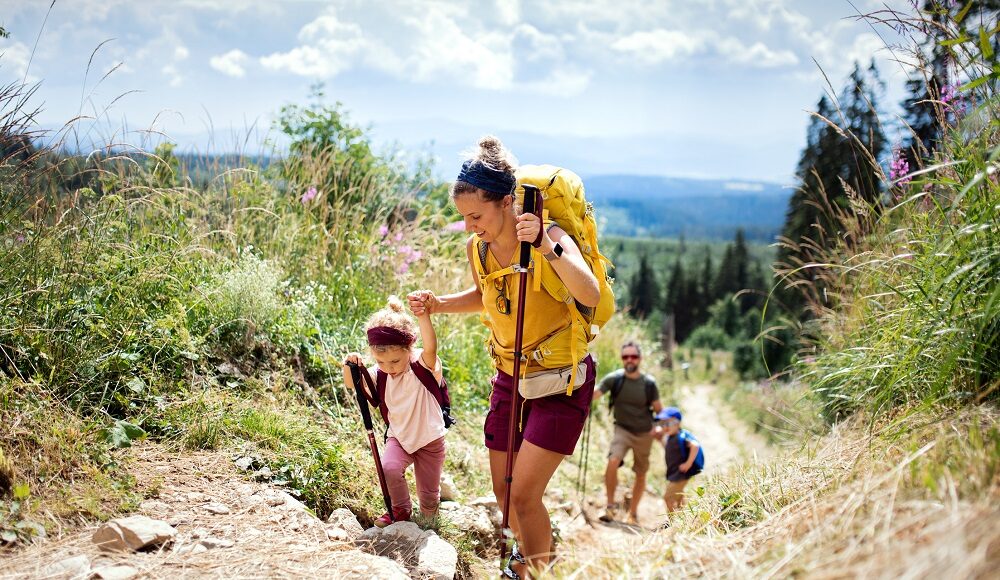
Verticality and Gradient: Incline drastically amplifies cardiovascular workload. Ascending steep gradients increases heart rate and oxygen consumption rapidly, while descending forces eccentric muscle contractions, placing significant strain on the quadriceps and joint structures.
-
Obstacle Density: Routes cluttered with exposed tree roots, fallen timber, boulder fields, or dense underbrush disrupt steady movement rhythms. Navigating dense obstacles turns a continuous stride into a series of micro-decisions, heightening both mental fatigue and physical strain.
Elevation, Barometric Pressure, and Hypoxia
Altitude introduces a profound biological strain that operates independently of terrain slope or technical difficulty. As elevation increases, atmospheric pressure drops, causing a decrease in the partial pressure of oxygen.
At elevations above eight thousand feet, the human body must work significantly harder to deliver oxygen to active tissues. At extreme altitudes, oxygen saturation drops markedly, leading to reduced endurance, slower reaction times, and heightened susceptibility to altitude-related illnesses such as acute mountain sickness. A routine task performed at sea level demands immense physical willpower and strict energetic budgeting when executed in a high-altitude environment.
Thermal Dynamics and Microclimates
The atmosphere acts as a continuous heat exchanger with the human body. Temperature, humidity, wind speed, and solar radiation create microclimates that can rapidly elevate physical intensity or trigger life-threatening environmental illnesses.
-
Extreme Heat and Solar Exposure: High ambient temperatures combined with direct solar radiation force the body to expend significant energy on thermoregulation through sweating and cardiovascular drift. If fluid and electrolyte balance is not carefully managed, performance degrades rapidly, increasing the risk of heat exhaustion and heat stroke.
-
Cold and Wind Chill: Cold environments force the human metabolic engine into overdrive simply to maintain core body temperature. When wind is added, thermal energy is stripped away rapidly through convection. Navigating cold, windy environments demands careful layer management, higher caloric intake, and constant vigilance against hypothermia and frostbite.
-
Humidity and Air Quality: High relative humidity prevents sweat evaporation, severely limiting the body’s natural cooling mechanism. Conversely, extremely dry air accelerates dehydration through rapid respiration, particularly at high elevations.
Hydrological Systems and Aquatic Dynamics
Water environments present some of the most dynamic and unforgiving conditions in adventure sports. Unlike solid ground, water is in constant fluid movement, generating unpredictable kinetic forces.
In whitewater kayaking, packrafting, or canyoning, water volume, flow velocity, and riverbed gradient determine the dynamic energy of the environment. Flowing water exerts immense pressure against hulls, paddles, and human bodies. Additionally, water conducts heat away from the human body roughly twenty-five times faster than air of the same temperature, making immersion in cold aquatic environments one of the fastest routes to thermal failure.
Biome-Specific Intensity Profiles
Different biomes combine environmental variables into distinct risk and effort profiles. Examining specific natural zones illustrates how environment shapes the nature of adventure.
Alpine and Glaciated Environments
Alpine zones combine steep terrain, extreme elevation, volatile weather patterns, and technical hazards such as crevasses, rockfall, and avalanches. The environment demands a high degree of technical competency, specialized gear, and physical endurance. The intensity in alpine environments stems from the sheer stack of hazards: physical exhaustion from steep climbing compounds the cognitive strain of managing ropes, monitoring weather shifts, and navigating exposed, high-consequence terrain.
Arid and Desert Landscapes
Desert adventures are defined by resource scarcity and environmental extremes. Broad temperature swings—from scorching daytime highs to freezing nighttime lows—place heavy demands on human physiology. Navigating loose sand dunes or featureless canyon country requires precise navigation, deliberate pacing, and strict water conservation management. In desert environments, the primary intensity driver is often environmental survival management rather than technical motion.
Dense Tropical Rainforests
Rainforest environments introduce high humidity, dense vegetation, constant moisture, and abundant biological hazards. Humidity restricts thermoregulation, causing heavy perspiration and rapid dehydration. The lack of clear sightlines makes orientation difficult, while mud and wet rock make footing treacherous. The psychological intensity of rainforest travel comes from perpetual dampness, limited visibility, and the continuous effort required to clear trails and prevent skin infections.
Polar and Subarctic Tundra
Polar regions present unmatched environmental isolation combined with extreme cold and daylight variances. Navigating frozen oceans or windswept tundra requires immense energy to haul sleds or travel on snowshoes. The mental intensity is driven by sensory deprivation, whiteout conditions, and the knowledge that equipment failure or thermal management errors carry immediate, severe consequences.
The Psychological Dimension of Environmental Intensity
The natural environment does not merely act upon the human body; it profoundly influences cognitive processing, emotional state, and decision-making capacity.
Objective Risk and Perceived Hazard
When faced with high-consequence environments—such as a exposed ridge line with a sheer vertical drop—the brain triggers a acute stress response. Heart rate spikes, adrenaline floods the system, and tunnel vision can occur. Managing this internal state while continuing to execute precise physical movements requires substantial mental discipline. The mental effort needed to maintain composure in high-exposure terrain often matches or exceeds the physical energy expended.
Sensory Overload versus Deprivation
Environments balance along a spectrum of sensory feedback. Complex, turbulent environments like stormy seas or technical whitewater rapids overload the senses with noise, movement, and visual clutter, requiring rapid real-time processing. Conversely, featureless environments like flat ice caps or dense fog induce sensory deprivation, forcing travelers inward and testing mental resilience over extended periods.
Adaptive Strategies for Managing Environmental Challenges
To safely engage with intense natural environments, outdoor enthusiasts must adopt deliberate preparation and risk-mitigation strategies:
-
Progressive Exposure Training: Build physical and psychological capacity by gradually increasing environmental complexity. Train in moderate weather and manageable terrain before stepping up to alpine conditions or multi-day wilderness traverses.
-
Environmental Literacy: Develop a deep understanding of local weather patterns, snowpack dynamics, hydrological flow indicators, and terrain reading. Anticipating environmental shifts allows for proactive adjustments rather than emergency reactions.
-
Appropriate Equipment Selection: Utilize footwear, clothing systems, and safety gear specifically engineered for the target environment. Technical fabrics, environmental protection, and proper traction devices significantly buffer environmental impact.
-
Caloric and Hydration Budgeting: Calculate metabolic fuel and water requirements based on the environmental demands rather than standard distance estimates. Cold, heat, elevation, and heavy pack weights substantially increase daily caloric needs.
Frequently Asked Questions
How does altitude change the physical effort required for basic activities like walking or carrying a pack?
As elevation increases, atmospheric pressure drops, reducing the amount of oxygen molecules available per breath. This reduction forces your heart and lungs to work significantly harder to supply oxygen to working muscles. Activities that feel effortless at sea level require a noticeably higher heart rate and respiratory rate at elevation, leading to faster fatigue, slower movement speeds, and a dramatic increase in perceived physical exertion.
Why does moving through wet or muddy terrain consume so much more energy than dry trails?
Wet and muddy terrain lacks structural stability, causing your feet to slip backward or sink with every step. This loss of traction reduces propulsive efficiency, meaning a portion of the energy generated by your muscles is lost to the ground. Additionally, unstable footing forces the small stabilizer muscles in your lower limbs and core to contract continuously to maintain balance, accelerating local muscle fatigue and increasing overall metabolic expenditure.
What environmental factors contribute most to rapid physical fatigue in desert environments?
The primary fatigue drivers in desert environments are extreme heat, direct solar radiation, and low humidity. High ambient heat forces the body to pump more blood to the skin for cooling, causing cardiovascular drift. Intense solar radiation accelerates core body heating, while dry air rapidly evaporates sweat, leading to swift dehydration if fluids and electrolytes are not replenished continuously.
How does wind chill affect body heat loss compared to cold ambient temperatures alone?
Wind chill drastically accelerates body heat loss through convective cooling. When the air is still, your body warms a thin layer of air immediately adjacent to your skin or clothing, providing a protective thermal buffer. Moving air sweeps this warm boundary layer away continuously, exposing the body to colder temperatures and stripping heat far faster than calm air of the identical temperature would.
Why is navigating dense jungle or rainforest considered psychologically demanding?
Rainforest travel presents persistent psychological stress due to restricted sightlines, constant dampness, unpredictable terrain, and high humidity. The lack of distant landmarks makes orientation difficult, often inducing disorientation or anxiety. Furthermore, managing perpetual moisture, preventing gear degradation, dealing with biting insects, and maintaining steady movement through thick underbrush require constant mental vigilance and emotional patience.
How do dynamic hydrological features like river currents change the risk level of an outdoor trip?
Dynamic water features introduce non-stop kinetic forces that operate continuously regardless of human intervention. River currents apply continuous lateral pressure against limbs or watercraft, and trapped features like foot entrapments or hydraulic re-circulations create high-hazard situations where escape requires specific technical skills. Because water rapidly saps body heat and disrupts breathing upon submersion, aquatic hazards carry a higher immediate risk profile than many land-based obstacles.
What steps can an outdoor enthusiast take to better assess environmental conditions before setting out?
Thorough environmental assessment involves reviewing detailed local weather forecasts, examining topographical maps to understand slope gradients and exposure, and checking current trail or condition reports from local land management agencies. Additionally, studying seasonal weather trends, understanding local snowpack or river-gauge data, and having a clear contingency plan for sudden environmental shifts are essential components of safe wilderness preparation.